

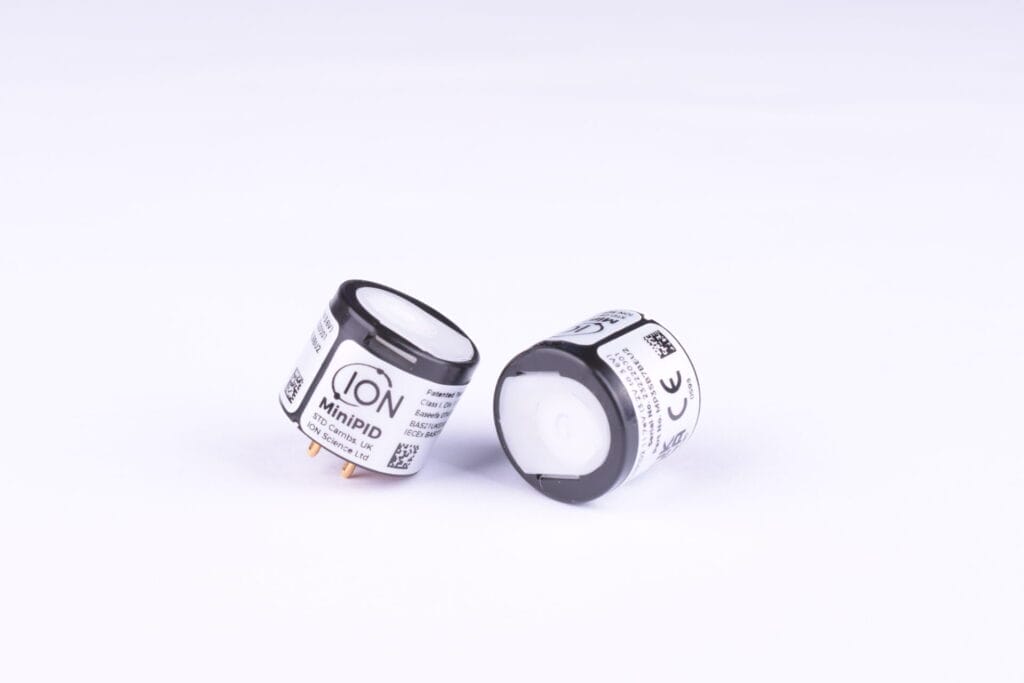
TA-01 What is a PID?
Introduction
Photoionisation Detectors (PIDs) are versatile gas sensors that measure volatile organic compounds (VOCs) and some inorganic gases from parts-per-billion to parts-per-million concentrations, making them essential tools across industrial hygiene, environmental monitoring, emergency response, and numerous other applications.
This comprehensive technical article explains the fundamental principles of PID operation (how UV photons ionise gas molecules to generate measurable electrical current) and guides users through lamp selection (10.0 eV, 10.6 eV, and 11.7 eV options), compound detectability based on ionisation energies, and the thousands of chemicals PIDs can and cannot measure.
It covers Response Factors for accurate concentration calculations when calibrating with isobutylene, explains why PIDs excel at LEL (lower explosive limit) monitoring where traditional pellistor sensors fail, and highlights PID’s unique ability to function in oxygen-deficient atmospheres.
Whether you’re new to PID technology or seeking deeper technical understanding, this article provides the foundational knowledge needed to effectively deploy photoionisation detection for VOC monitoring.
Discover more technical articles

TA-03 | EPA Method 21 Leak Detection
10 October 2024
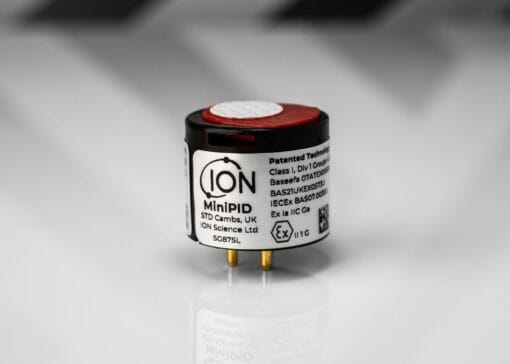
TA-14 | MiniPID 2 HS Sensor Deployment Guidelines
10 October 2024

TA-02 | PID Sensor Response Factors
10 October 2024
Want to learn more?
