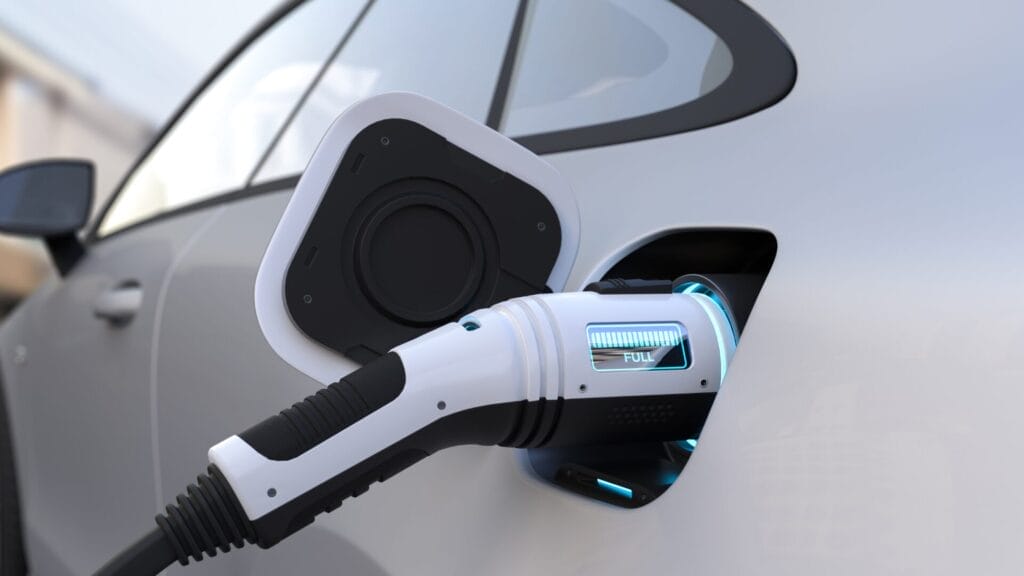
Detecting EV Battery Leaks with PID Sensing Technology
Introduction
Electric vehicles (EVs) are revolutionising the automotive industry, offering a cleaner, more sustainable alternative to traditional combustion engines. At the heart of this revolution are lithium-ion batteries – powerful, efficient, and essential to EV performance. However, manufacturing these batteries involves significant safety challenges, particularly the risk of volatile organic compound (VOC) emissions and lithium-ion battery fire risk during production.
This Insights Post explores how advanced PID sensing technology helps EV battery manufacturers mitigate these hazards, protect workers, and maintain production quality whilst complying with safety regulations.
Why Electric Vehicles Depend on Lithium-ion Batteries
As governments worldwide implement stricter emission targets, the demand for electric vehicles continues to surge. In the UK, for example, the Government announced plans to phase out the sale of new petrol and diesel cars by 2030, with all new vehicles required to be zero-emission by 2035 (UK Government, 2025). This regulatory shift is driving unprecedented growth in EV manufacturing.

Lithium-ion batteries are the technology of choice for EVs because they offer:
- High energy density: Storing significant power in a compact form
- Minimal energy loss: Efficient charging and discharging cycles
- Recyclability: Approximately 80% of battery components can be reused
A typical EV battery contains approximately 17 pounds of lithium carbonate, 77 pounds of nickel, 44 pounds of manganese, and 30 pounds of cobalt. The manufacturing process involves combining these materials with electrolytes and assembling complex cell structures – processes that generate hazardous VOCs.
Understanding Lithium-ion Battery Risks in EV Manufacturing
EV battery manufacturing hazards stem from the VOCs and processes involved in production. While lithium-ion batteries are safe when properly manufactured and handled, the production environment presents several critical risks.
Thermal Runaway in Lithium-ion Batteries
Thermal runaway is one of the most serious safety concerns in battery manufacturing. This occurs when a battery cell overheats uncontrollably, potentially leading to fires or explosions. During manufacturing, thermal runaway can be triggered by:
- Manufacturing defects or contamination
- Physical damage to cell membranes
- Short circuits during assembly
- Overheating during testing or quality control
- Minimal energy loss: Efficient charging and discharging cycles
- Recyclability: Approximately 80% of battery components can be reused
Early detection of the chemical signatures that precede thermal runaway events is critical to preventing catastrophic failures.
VOCs in Battery Production
Battery manufacturing processes release numerous VOCs that pose risks to both workers and production quality. These compounds include:
- Electrolyte solvents that evaporate during cell assembly
- Outgassing from battery materials during formation cycles
- Chemical vapours from coating and bonding processes
Exposure to these VOCs can cause both immediate health effects (respiratory irritation, dizziness) and long-term health consequences. Additionally, excessive VOC levels can indicate manufacturing anomalies that may compromise battery quality and safety.
How PID Sensors Improve EV Battery Manufacturing Safety
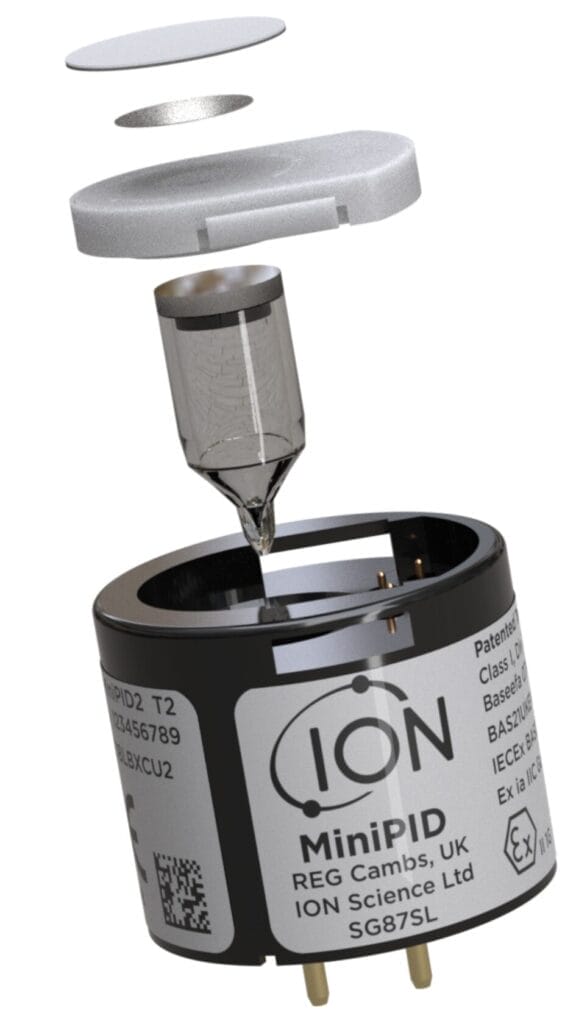
Advanced PID sensors provide continuous, real-time monitoring of the manufacturing environment, enabling immediate detection of hazardous conditions before they escalate. ION SENSE’s MiniPID 2 range offers two specialised solutions for different manufacturing environments.
MiniPID 2 PPB XF: Continuous Protection in Harsh Environments
The MiniPID 2 PPB XF is engineered specifically for the demanding conditions of high-volume battery manufacturing facilities. Its key capabilities include:
- Ultra-high sensitivity: Detects VOCs at 1 ppb (part per billion), ensuring compliance with stringent occupational exposure limits
- Broad detection range: Maintains accuracy from 1 ppb up to >40 ppm, providing protection through normal operations and alarm conditions
- Extreme durability: Operates in temperatures from -40°C to 65°C with humidity resistance up to 99% RH
- Minimal maintenance: >10,000 hour filter and lamp life, with >5 year sensor life, reducing operational costs
The PPB XF’s patented long-life filter and anti-contamination design make it ideal for continuous monitoring in production areas where dust, moisture, and chemical exposure are constant challenges.
MiniPID 2 High Sensitivity: Precision Monitoring for Controlled Environments
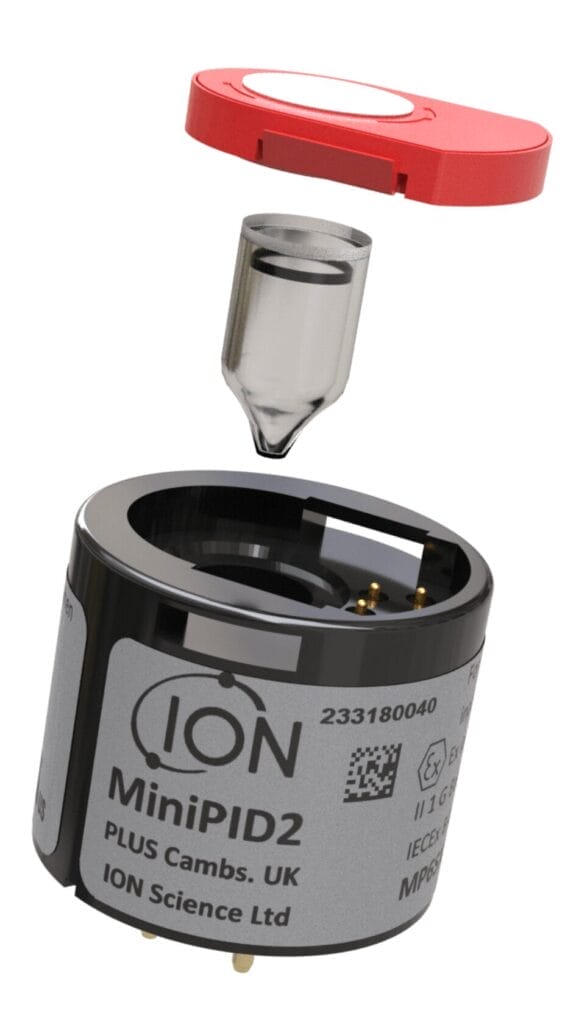
For cleanroom applications and quality control laboratories, the MiniPID 2 High Sensitivity delivers exceptional trace-level detection:
- World-leading sensitivity: 0.5 ppb detection capability with exceptional signal strength (>600 mV/ppm)
- Advanced contamination protection: Patent-pending filter guards against moisture, dust, and aerosols whilst maintaining sub-ppb accuracy
- Cleanroom optimised: Operates from 0-40°C with up to 99% RH, perfect for climate-controlled facilities
- Long-term reliability: 10,000 hour lamp life and >5 year sensor life ensure consistent performance in continuous monitoring applications
This precision enables early detection of minute VOC emissions that could indicate developing issues in battery cells during formation, testing, or packaging stages.
How PID Sensors Prevent Lithium-ion Battery Fires
Real-time VOC monitoring provides critical early warning of conditions that can lead to lithium-ion battery fires:
- Pre-thermal runaway detection: Chemical emissions often precede thermal events by minutes or hours, allowing intervention before fires occur
- Quality control: Abnormal VOC signatures identify defective cells before they enter finished battery packs
- Process optimisation: Continuous monitoring helps maintain ideal manufacturing conditions, reducing the likelihood of defects
- Environmental protection: Detecting and controlling VOC emissions prevents atmospheric release, supporting sustainability goals
By integrating PID sensors throughout the manufacturing process, from cell assembly through final testing, facilities create multiple layers of protection against fire risks and quality issues.
Protecting Lives and Preserving the Environment
The implementation of MiniPID 2 gas sensors in EV battery manufacturing facilities serves a dual purpose: workplace safety and environmental responsibility.
For workers, continuous VOC monitoring ensures exposure levels remain well below occupational limits, protecting against both acute and chronic health effects. For the environment, preventing VOC emissions helps manufacturers meet sustainability commitments whilst reducing their contribution to air pollution and climate change.
At the heart of ION SENSE’s vision lies a powerful mission: “To protect lives and preserve the environment.” This commitment drives the continuous innovation in sensor technology that makes safer, more sustainable battery manufacturing possible.
Conclusion
As EV adoption accelerates globally, the safety and quality of lithium-ion battery manufacturing becomes increasingly critical. The MiniPID 2 gas sensor range provides EV battery manufacturers with the advanced detection capabilities needed to:
- Prevent lithium-ion battery fire risk through early detection
- Protect workers from hazardous VOC exposure
- Maintain stringent quality control standards
- Meet environmental compliance requirements
By choosing MiniPID 2 technology, manufacturers invest in more than compliance – they invest in the long-term safety of their workforce, the reliability of their products, and the sustainability of the EV revolution.
FAQs
The primary risks include thermal runaway (which can lead to fires or explosions), exposure to VOCs from electrolytes and production processes, physical damage during assembly that can compromise cell integrity, and manufacturing defects that may not be immediately apparent. These risks require continuous monitoring and quality control throughout the production process.
VOCs pose both immediate and long-term health risks to workers, including respiratory irritation, dizziness, and potential chronic health effects from prolonged exposure. Additionally, elevated VOC levels often indicate manufacturing problems such as electrolyte leaks, contamination, or developing cell defects. Uncontrolled VOC emissions also contribute to air pollution and can compromise product quality.
PID sensors detect the chemical signatures that precede thermal runaway events, often providing minutes or hours of warning before a fire occurs. By continuously monitoring for abnormal VOC emissions, the sensors alert operators to developing problems in time to intervene – whether by removing defective cells, adjusting manufacturing parameters, or evacuating personnel. This early warning system is critical for preventing catastrophic failures.
Yes, lithium-ion batteries are highly recyclable. Approximately 80% of battery components can be recovered and reused, including valuable materials such as lithium, nickel, manganese, and cobalt. The recycling process involves disassembling the batteries and extracting raw materials for use in new battery production, significantly reducing the environmental impact of EV battery manufacturing.
EV battery manufacturing must comply with multiple safety standards, including occupational exposure limits for VOCs, fire safety regulations, quality control standards for battery cell production, and environmental regulations governing emissions. In the UK and EU, manufacturers must also meet specific requirements for worker safety, product safety testing, and waste management. PID sensor systems help facilities maintain compliance with these stringent standards through continuous monitoring and documentation.