
PID in Industrial Hygiene
Introduction
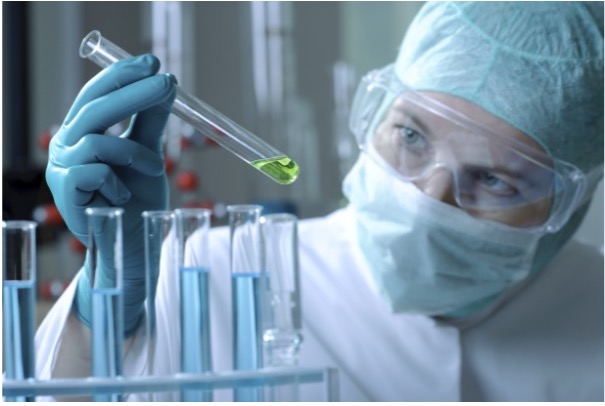
Industrial hygiene focuses on preventing work-related illness by recognising, evaluating, and controlling workplace risks, and hazardous chemicals represent one of the most significant threats to worker health.
This application article examines how modern PID technology reliably detects over 200 dangerous chemicals at concentrations ranging from parts per billion to parts per million, supporting comprehensive industrial hygiene programmes.
It explores the identification and monitoring of highly toxic compounds including vinyl chloride (a liver carcinogen used in PVC production), ethylene oxide (a sterilisation gas and known carcinogen), styrene, isocyanates, acrylates, epoxies, and industrial solvents – each with exposure limits set according to their toxicity.
The article provides guidance on selecting appropriate detection equipment, explaining why PID technology has become the preferred screening tool for industrial hygiene applications due to its high sensitivity, broad detection range, and ability to monitor hazardous chemicals reliably at extremely low concentrations where worker exposure limits are most stringent.
Discover more application articles

Real-Time VOC Detection in Smart Cities
5 March 2026
Properties, Applications, Risks, and Advanced PID Detection of N-Methyl-2-pyrrolidone (NMP)
11 February 2026
Photoionisation Detectors in IVF Laboratories
16 December 2025
Want to learn more?
